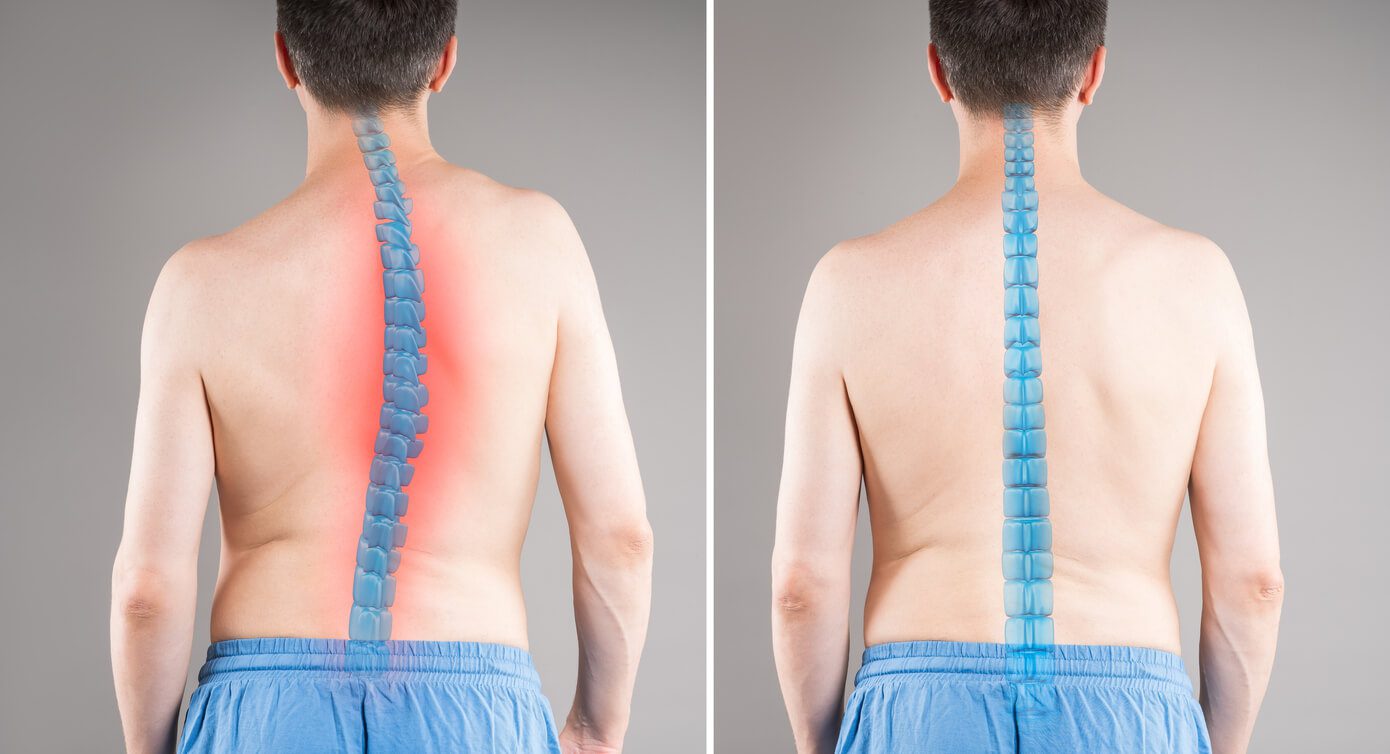
Spinal fusion for scoliosis in adults represents a significant surgical intervention that requires patience and dedication during the recovery process. Understanding what to expect during each phase of healing helps patients prepare mentally and physically for the journey ahead.
This blog provides crucial insights into the recovery process and what milestones to anticipate.
In short, spinal fusion for scoliosis in adults requires a structured recovery timeline that typically takes up to 12 months, with specific milestones and careful monitoring to ensure optimal healing.
- Initial healing phase – The first 6-8 weeks focus on bone fusion initiation and wound healing.
- Gradual activity increase – Months 2-6 involve progressive physical therapy and mobility improvements.
- Full recovery achievement – Complete fusion and return to normal activities occur around 6-12 months.
What Happens Immediately After Spinal Fusion Surgery?
The first 24-48 hours after spinal fusion surgery mark the beginning of your recovery journey. During this critical period, medical staff monitor your vital signs, pain levels, and the surgical site for any complications.
Most patients remain in the hospital for 3-7 days, depending on the complexity of their surgery and individual healing factors. Pain management becomes a primary focus, with medications like morphine (Duragesic) or oxycodone (OxyContin) helping control discomfort while your body begins the healing process.
Patients typically experience the most significant pain during the first week following surgery. Healthcare teams work closely with patients to balance effective pain relief with the need to begin gentle movement as soon as safely possible.
How Long Does the Initial Healing Phase Last?
The initial healing phase extends from surgery through the first 6-8 weeks of recovery. During this time, your body focuses on wound healing and begins the bone fusion process that defines successful spinal fusion for scoliosis in adults.
Weeks 1-2: Immediate Recovery
The first two weeks require strict adherence to movement restrictions. Patients cannot lift more than 5-10 pounds and must avoid bending, twisting, or lifting motions that could compromise the surgical site.
Walking short distances is encouraged and gradually increased each day. Physical therapy often begins with basic breathing exercises and gentle leg movements while lying down.
Weeks 2-6: Progressive Mobility
As wound healing progresses, patients can gradually increase their walking distance and duration. Many individuals can walk for 15-30 minutes by week 4, though this varies based on individual healing rates.
During this period, spine specialists emphasize the importance of maintaining proper posture and using assistive devices when necessary. Patients often wear a back brace to provide additional support during the early healing stages.
Weeks 6-8: Building Foundation
By weeks 6-8, most patients experience reduced pain levels and improved mobility. X-rays typically show early signs of bone fusion beginning, though complete fusion takes much longer to achieve.
Physical therapy intensifies during this phase, focusing on core strengthening and improving flexibility within safe parameters. Patients may begin light household activities but must continue avoiding heavy lifting or strenuous activities.
What Should You Expect During Months 2-6?
The middle phase of recovery represents a critical period for patients undergoing spinal fusion for scoliosis. This timeframe involves significant improvements in daily function while the fusion process continues developing.
Months 2-3: Increased Activity
Patients typically experience substantial pain reduction and can engage in more daily activities. Physical therapy becomes more intensive, incorporating exercises designed to strengthen the muscles supporting the spine.
Many individuals return to work during this period, particularly those with desk jobs or sedentary positions. However, occupations requiring heavy lifting or prolonged standing may require longer recovery periods.
Months 3-6: Functional Improvements
The 3-6 month period often brings the most noticeable functional improvements. Patients report increased endurance, reduced reliance on pain medications, and greater confidence in their mobility.
Most patients achieve significant pain relief and functional improvement by the 6-month mark. However, complete bone fusion typically requires additional time to achieve optimal strength.
When Does Complete Recovery Occur After Spinal Fusion for Scoliosis in Adults?
Complete recovery from spinal fusion typically occurs between 6-12 months post-surgery, though individual timelines vary based on several factors, including age, overall health, and adherence to recovery protocols.
Months 6-9: Advanced Healing
During this phase, bone fusion becomes more solid, and patients can gradually return to higher-impact activities. Swimming, cycling, and other low-impact exercises become possible with physician approval.
X-ray imaging during this period usually shows substantial bone growth and fusion development. Pain levels continue decreasing, and many patients report feeling significantly better than before surgery.
Months 9-12: Full Recovery
The final phase of recovery allows patients to return to most normal activities, including recreational sports and regular exercise routines. However, activities involving high-impact movements or contact sports may remain restricted.
Complete bone fusion typically occurs around 12 months post-surgery, though some patients may require up to 18 months for full fusion development. Regular follow-up appointments with a spine doctor near you helps monitor progress and ensures optimal healing.
What Factors Affect Recovery Time for Adults?
Several factors influence recovery timelines for spinal fusion for scoliosis, making individualized care essential for optimal outcomes.
- Age and Health Status: Younger adults typically heal faster than older patients. Conditions like diabetes, osteoporosis, or smoking can significantly slow the healing process and increase complication risks.
- Surgical Complexity: The number of vertebrae fused and surgical approach affect recovery duration. More extensive fusions require longer healing periods and more cautious activity progression.
- Patient Compliance: Following post-surgical restrictions, attending physical therapy, and maintaining healthy lifestyle choices directly impact recovery success and timeline.
How Can You Optimize Your Recovery Process?
Successful recovery from spinal fusion requires active patient participation and commitment to prescribed protocols.
Nutrition and Lifestyle
Proper nutrition supports bone healing and overall recovery. Calcium, vitamin D, and protein intake become particularly important during the fusion process. Avoiding smoking and excessive alcohol consumption promotes better healing outcomes.
Physical Therapy Commitment
Regular physical therapy attendance and home exercise completion significantly impact recovery success. Working with a qualified therapist ensures exercises remain safe and effective throughout each recovery phase.
Follow-Up Care
Regular appointments with your specialist allows for monitoring progress, adjusting treatment plans, and addressing concerns promptly.
Spinal Fusion for Scoliosis in Adults in Rochester Hills, MI
Recovery from spinal fusion for scoliosis in adults requires patience, dedication, and expert medical guidance throughout the healing process. Understanding what to expect during each phase helps patients prepare mentally and physically for successful outcomes.
Dr. Ahlgren at Ahlgren Spine provides comprehensive care and support throughout your recovery journey, from pre-surgical planning through complete rehabilitation.
Contact Ahlgren Spine today at (248) 215-8080 or fill out our appointment request form to schedule a consultation and learn how Dr. Ahlgren’s expertise can help you achieve optimal recovery outcomes and return to the active lifestyle you deserve.
