In short,
- Surgical treatment for a bulging disc can alleviate nerve compression.
- Surgery helps with persistent pain despite other treatments.
- Discuss surgical options and risks with an experienced doctor.
Understanding Bulging Discs and the Need for Surgical Treatment
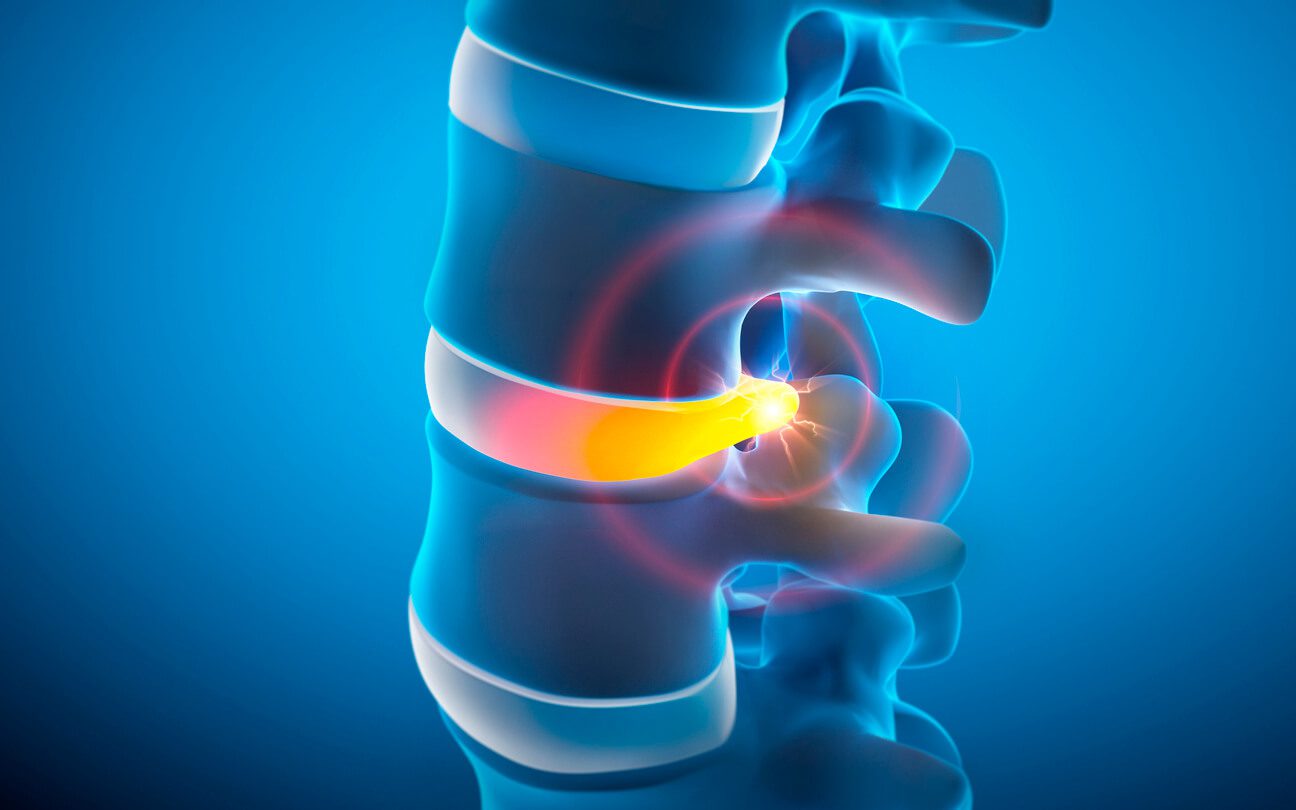
A bulging disc occurs when the soft center of a spinal disc pushes through a weakness in the outer layer, potentially irritating nerves. While many cases respond to non-surgical treatments, some require surgery to relieve pain and neurological symptoms.
Surgical treatment is typically considered after conservative methods fail.
What is a Bulging Disc?
A bulging disc involves the disc extending beyond the normal margin of the vertebral body, unlike a herniated disc, where the outer layer ruptures. Bulging discs are common and increase with age due to wear and tear, according to the Mayo Clinic.
How Bulging Discs Affect the Lower Back
A bulging disc affects the lower back primarily through nerve compression, leading to pain, numbness, and weakness, often affecting the sciatic nerve and causing sciatica. Inflammation also contributes to pain.
Causes and Risk Factors Leading to Bulging Discs
Several factors can contribute to a bulging disc. Understanding these causes can help in prevention.
Degenerative Disc Disease
Degenerative disc disease describes the natural changes in spinal discs as we age, losing water content and elasticity. Repetitive stress, minor injuries, and genetics can accelerate this.
Lifestyle and Occupational Factors
Daily habits and work environments impact spinal disc health. Heavy lifting with improper form, prolonged sitting or standing with poor posture, and obesity increase the risk.
Trauma and Injury
Sudden impacts from falls or car accidents can cause disc bulging. Repetitive motions or vibrations can also lead to gradual disc damage. Seek medical attention after any significant injury.
Recognizing Symptoms and Warning Signs of a Bulging Disc
Early recognition of symptoms is crucial. Symptoms vary depending on the location and severity.
What are the Common Symptoms?
Common symptoms include:
- Lower back pain radiating into the buttocks and legs (sciatica).
- Numbness or tingling in the legs or feet, and muscle weakness.
When to Suspect a Bulging Disc
Suspect a bulging disc if pain worsens with prolonged sitting or standing, increases with coughing, sneezing, or straining, or if you experience difficulty walking or maintaining balance.
Diagnosing a Bulging Disc in the Lower Back
According to the National Institutes of Health, about 1 to 3% of the population is impacted by bulging discs, and men are twice as likely to experience a bulging or herniated disc. This means that accurate diagnosis is essential. A thorough evaluation typically involves a physical exam and imaging studies.
Physical Examination
A physical examination includes:
- Neurological exam to assess reflexes
- Muscle strength and sensation
- Range of motion tests
- Palpation to identify areas of tenderness
Imaging Studies
Imaging studies confirm the diagnosis. MRI is preferred for visualizing the spinal cord, nerves, and discs. CT scans provide detailed images of bones and soft tissues. X-rays rule out other conditions.
Exploring Surgical Treatment Options for Bulging Discs
When conservative treatments fail, surgery may be considered. The choice depends on the severity, nerve compression, and overall health.
Microdiscectomy
Microdiscectomy removes the portion of the bulging disc compressing the nerve. It is a minimally invasive procedure with a high success rate in relieving sciatica. According to the National Institutes of Health, microdiscectomy has up to a 90% success rate for relieving sciatica symptoms.
Laminectomy
Laminectomy removes a portion of the lamina to create more space for the spinal nerves. It may be performed with a discectomy to relieve nerve compression.
Spinal Fusion
Spinal fusion joins vertebrae to stabilize the spine, typically for spinal instability or severe disc degeneration. It has a longer recovery time and may limit flexibility.
Non-Surgical Management and Prevention Strategies
Before surgery, explore non-surgical options. Lifestyle modifications and preventative measures can also help.
Conservative Treatments
Conservative treatments include pain medication, physical therapy, and epidural steroid injections to reduce pain and inflammation, improve function, and promote healing.
Lifestyle Modifications
Lifestyle changes include maintaining a healthy weight, practicing proper lifting techniques, and using good posture.
Preventative Measures
Preventative measures include regular exercise, avoiding prolonged sitting or standing, and using ergonomic furniture.
When Should Someone Seek Professional Care for a Bulging Disc in the Lower Back?
Knowing when to seek care is essential. Certain symptoms warrant immediate medical attention.
Urgent Symptoms
Seek immediate medical attention for severe or rapidly worsening pain, progressive muscle weakness, or new onset of bowel or bladder dysfunction. These could be signs of cauda equina syndrome.
When to Consider Surgery
Consider surgery when conservative treatments fail to provide adequate relief, pain significantly impacts quality of life, or neurological symptoms worsen.
Finding a Specialist
Seek a board-certified spine surgeon with experience treating bulging discs. Discuss treatment options and get a second opinion if unsure.
Questions to Ask Your Doctor
When considering treatment, it’s important to have an open conversation with your doctor. Here are a few questions:
- What are all my treatment options?
- What are the risks and benefits of each?
- What is the expected recovery timeline?
What to Expect After Surgery
Following surgery, expect some pain, managed with medication. Physical therapy usually starts within weeks to regain strength and mobility. Full recovery can take months; follow your doctor’s instructions and avoid activities that could strain your back.
Common Misconceptions
One common myth is that surgery is always best; many cases are managed with conservative treatments. Another is that you’ll always have back pain. With proper treatment and lifestyle modifications, many people can achieve significant pain relief.
Finding Bulging Disc Treatment in Rochester Hills, MI
Ahlgren Spine offers comprehensive diagnostic and treatment options for bulging discs and related health matters. Dr. Bradley D. Ahlgren and our experienced team create treatment plans to help people recover.
We offer a comforting, non-judgmental care environment, and focus on your needs. Call us at (248) 215-8080 to get started and to talk with someone on our team. If you prefer, you can use our online appointment request form.
