In short,
- Back surgery can alleviate leg pain caused by a herniated lumbar disc.
- This procedure is most helpful for those with persistent pain despite conservative treatments.
- Consult a spine specialist to determine if surgery is the right option.
Understanding Back Surgery for Herniated Lumbar Disc
Back surgery for a herniated lumbar disc is considered when other treatments haven’t provided sufficient relief. Studies generally show that 80% to 90% of patients experience significant relief from leg pain following a lumbar discectomy.
Understanding the condition and surgical options is crucial for making an informed choice.
What is a Herniated Lumbar Disc?
A herniated lumbar disc occurs when the soft, gel-like center of a spinal disc pushes through a tear in the disc’s outer layer, irritating nearby nerves. This can cause pain and neurological symptoms.
This condition most commonly affects the lower back (lumbar region), leading to pain, numbness, or weakness in the legs.
Why Consider Back Surgery for a Slipped Disc?
Back surgery, specifically a discectomy, is an option when conservative treatments fail to alleviate pain by relieving pressure on the spinal nerves.
- Surgery is typically considered when conservative treatments like physical therapy, pain medication, and injections have failed to provide adequate relief after several weeks or months.
- The primary goal of surgery is to alleviate leg pain (sciatica) and improve function.
Factors impacting the outcome of back surgery can include the type of surgery and the time in delay before surgery is performed, so it’s important to talk with a doctor right away to determine the best course of treatment for your situation.
Causes and Risk Factors for a Slipped Disc
Understanding the causes and risk factors can help in prevention.
Common Causes of Lumbar Disc Herniation
Lumbar disc herniation can arise from age-related degeneration and improper lifting.
- Age-related degeneration: As we age, spinal discs lose water content and become more prone to tears and herniation.
- Improper lifting techniques: Lifting heavy objects using the back muscles instead of the legs can strain the spinal discs.
Risk Factors for Developing a Herniated Disc
Obesity, smoking, and genetics can increase the likelihood of developing a herniated disc.
- Obesity: Excess weight puts additional stress on the lumbar spine.
- Smoking: Nicotine restricts blood flow to the spinal discs, potentially accelerating degeneration.
- Genetics: A family history of disc problems may increase your susceptibility.
Symptoms and Warning Signs of a Herniated Disc
Recognizing the symptoms is essential for seeking timely medical attention.
Common Symptoms of a Slipped Disc
The most common symptom is sciatica, often accompanied by numbness or muscle weakness.
- Sciatica: Sharp, shooting pain that radiates down the leg, often below the knee.
- Numbness or tingling: A pins-and-needles sensation in the leg or foot.
- Muscle weakness: Difficulty lifting the foot or toes, or weakness in the leg muscles.
When to Seek Immediate Medical Attention
Seek immediate medical attention for:
- Progressive weakness: Rapidly worsening muscle weakness in the legs or feet.
- Bowel or bladder dysfunction: Loss of control over bowel or bladder function, which may indicate cauda equina syndrome (a medical emergency).
- Severe pain: Intractable pain that does not respond to over-the-counter pain medication.
How Does a Doctor Diagnose and Test for a Herniated Lumbar Disc?
Accurate diagnosis is crucial for determining the appropriate treatment plan.
Physical Examination and Neurological Assessment
The doctor will evaluate your range of motion, reflexes, muscle strength, and sensation. Specific tests can help identify nerve root irritation.
- Specific tests, such as the straight leg raise test, can help identify nerve root irritation.
Imaging Tests for Diagnosis of a Herniated Lumbar Disc
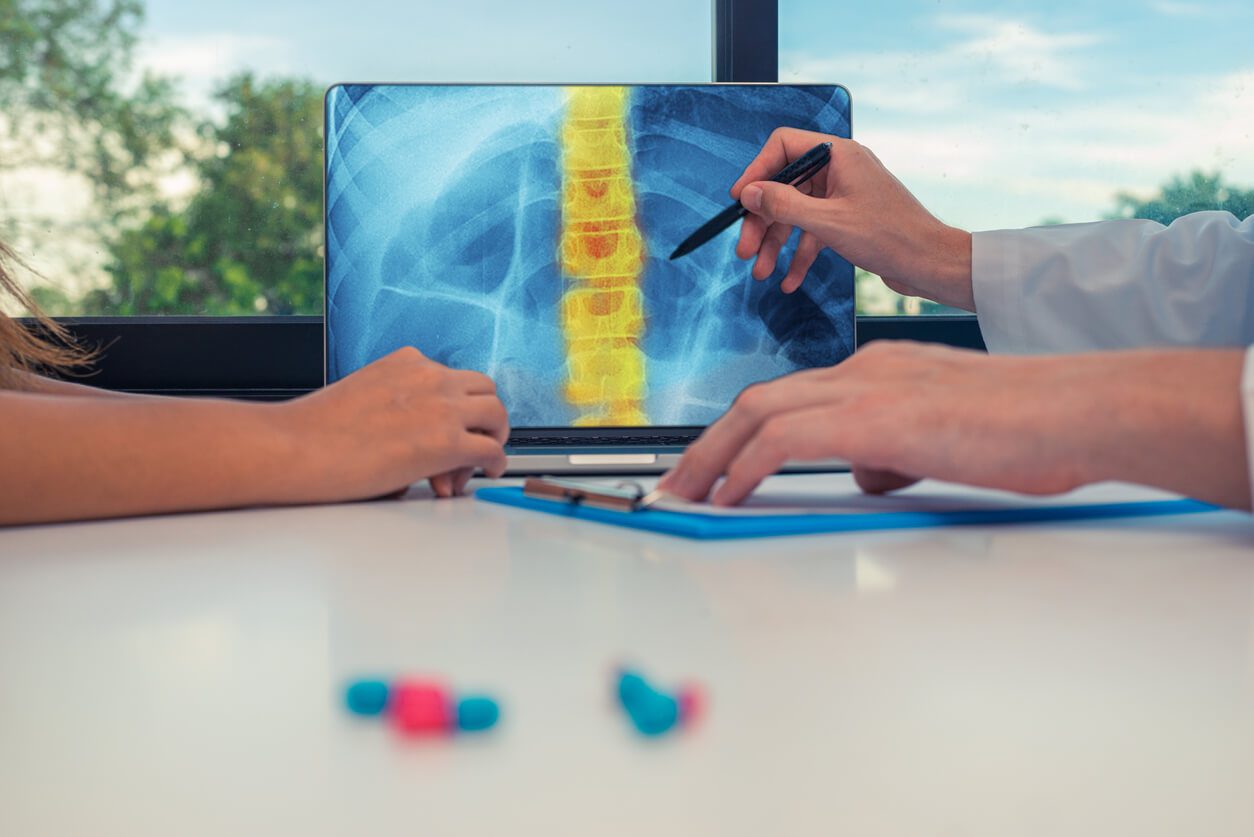
Imaging tests confirm the diagnosis. MRI is often preferred, while CT scans and X-rays may also be used.
- MRI (Magnetic Resonance Imaging): Provides detailed images of the spinal cord, nerves, and discs to confirm the diagnosis and identify the location and size of the herniation.
- CT scan (Computed Tomography): May be used to visualize the bony structures of the spine.
- X-rays: Can help rule out other causes of back pain.
What are Treatment Options and Management Strategies After Back Surgery for Slipped Disc?
Following surgery, a comprehensive treatment and management plan is essential for recovery.
Surgical Procedures for Herniated Discs
Surgical procedures include microdiscectomy, laminectomy, and spinal fusion. The specific procedure will depend on the nature and severity of your condition.
- Microdiscectomy: A minimally invasive procedure to remove the portion of the herniated disc that is compressing the nerve.
- Laminectomy: Removal of a portion of the lamina to create more space for the spinal nerves.
- Spinal fusion: Joining vertebrae to stabilize the spine, typically for cases with spinal instability.
Post-Operative Recovery and Rehabilitation
Post-operative recovery can include pain management, physical therapy, and activity restrictions.
- Pain management: Medications to control pain and inflammation after surgery.
- Physical therapy: Exercises to strengthen back and abdominal muscles, improve flexibility, and restore function.
- Activity restrictions: Avoiding heavy lifting, bending, and twisting for several weeks after surgery.
- Gradual return to activities: Slowly increasing activity levels as tolerated, under the guidance of a physical therapist.
Key Steps for a Successful Recovery
- Adhere to all post-operative instructions.
- Attend all scheduled physical therapy sessions and perform prescribed exercises regularly.
- Maintain a healthy weight and avoid smoking to promote healing and prevent future disc problems.
Prevention and Lifestyle Changes to Protect Your Spine
Preventing a slipped disc involves healthy habits and proper body mechanics.
Proper Body Mechanics and Posture
Use proper lifting techniques, maintain good posture, and avoid prolonged sitting.
- Use proper lifting techniques: Bend your knees and keep your back straight when lifting heavy objects.
- Maintain good posture: Sit and stand with your shoulders back and your spine aligned.
- Avoid prolonged sitting: Take breaks to stand and stretch regularly.
Lifestyle Modifications for a Healthy Spine
- Regular exercise: Strengthen back and abdominal muscles.
- Weight management: Maintain a healthy weight.
- Smoking cessation: Quit smoking to improve blood flow to the spinal discs.
Ergonomic Considerations
- Adjust your workstation: Ensure proper positioning to support good posture.
- Use supportive footwear: Wear shoes with good arch support.
When to Seek Professional Care for Back Surgery for Herniated Lumbar Disc in Metro Detroit
If you are experiencing persistent pain not relieved by conservative treatments, seek professional care. Contact Ahlgren Spine to discuss your options. At Ahlgren Spine, our experienced team includes an orthopedic doctor and a physical therapist who understand the importance of individualized care.
Call us at (248) 215-8080 or use our online appointment request form to request an appointment.
