
In summary:
- Osteoarthritis Symptoms: Pain, stiffness, difficulty moving, crepitus, swelling, and limited functions are common manifestations of osteoarthritis.
- When to See a Specialist: See a specialist if your joints hurt, feel stiff, or if you struggle with daily activities.
- Treatment Options: Treatments can include pain management, physical therapy, lifestyle changes, or surgery when needed.
Manifestation of osteoarthritis can be seen in many ways. It is not just pain; osteoarthritis can affect your day-to-day life as well. Osteoarthritis is a condition that can impact your spine, hands, knees, and hips.
Recognizing symptoms early can help manage the condition before it worsens. Doing so can help you know immediate osteoarthritis treatment near you. Let us explore the common signs of osteoarthritis and the available treatment options.
What Is Osteoarthritis
According to Mayo Clinic, osteoarthritis is a joint disease that affects the protective tissue at the ends of bones. Over time, this wear and tear can lead to joint pain and decreased function. When osteoarthritis affects the spine, it often leads to pain in the neck or lower back.
What Are the Manifestations of Osteoarthritis
If arthritis impacts a joint in the spine, the wear and tear can trigger uncomfortable symptoms. Learning about the specific manifestations of osteoarthritis can help you get treated immediately. Such symptoms include:
1. Persistent Joint Pain
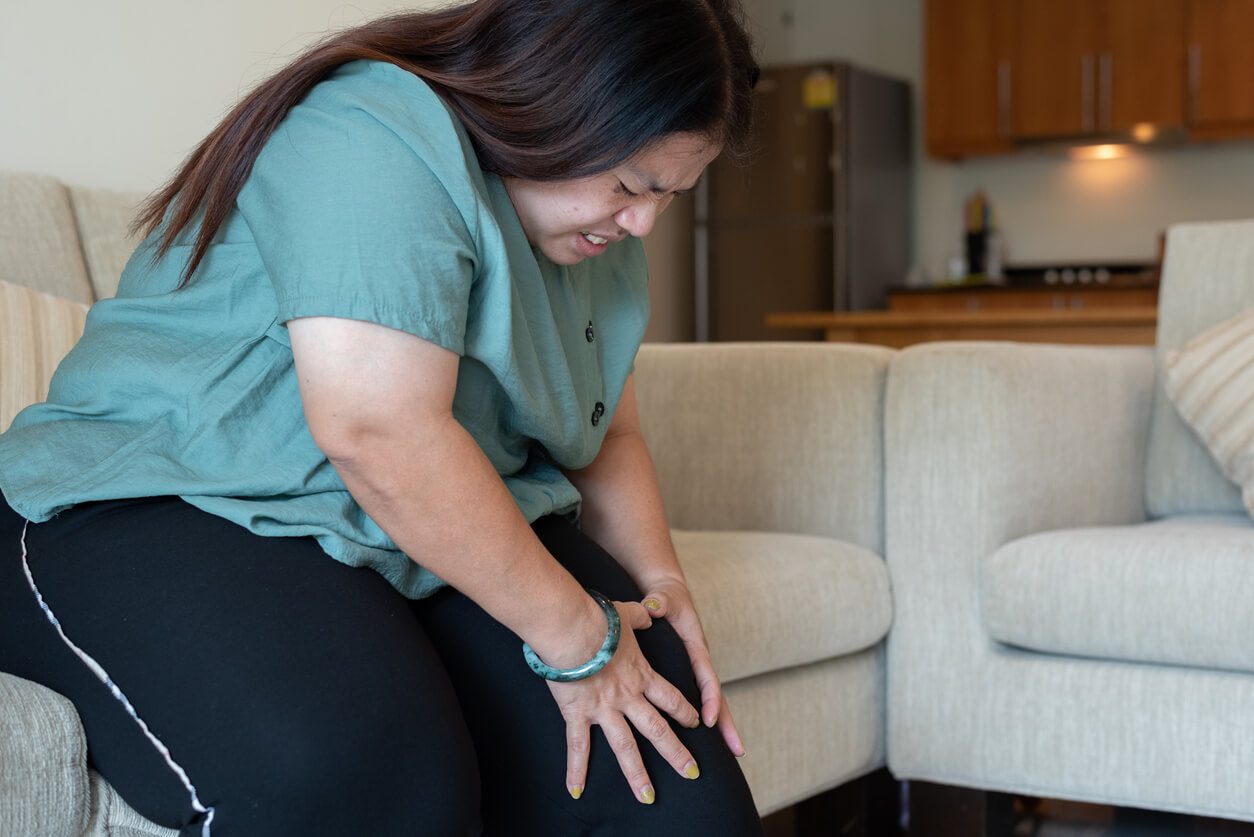
Pain is often the earliest and most frequent symptom of osteoarthritis. It may worsen with activity and ease with rest. Early-stage pain comes and goes. Advanced stages often involve chronic discomfort.
The joints most commonly affected include the knees, hips, hands, and spine. This pain can significantly impact daily life if not addressed.
2. Stiffness in the Morning or After Resting
You may have stiffness that lasts less than 30 minutes, as per the National Institute of Health. This is a sign that makes osteoarthritis different from inflammatory arthritis. Stiffness may also happen when you rest for a long period of time.
This can make simple movements and routines more challenging.
3. Limited Movements
As cartilage breaks down, joint flexibility decreases. This leads to difficulty bending the knee fully or gripping objects. Difficulty moving often signals that the disease is progressing.
4. Crepitus and Joint Changes
Crepitus is a grating or crackling sensation felt when you move your joint. It occurs due to roughened cartilage surfaces rubbing together. Bone spurs may also form, creating visible changes around the joint.
As the cartilage wears away, it changes how your joints work, which leads to these symptoms.
5. Swelling and Tenderness
Swelling may happen due to joint inflammation and can cause visible puffiness. The joint may also feel tender when touched. Unlike rheumatoid arthritis, this swelling is usually temporary and causes flare-ups.
6. Functional Limitations and Secondary Effects
Osteoarthritis can make everyday tasks like walking or gripping things difficult. Over time, not moving a painful joint can cause the nearby muscles to weaken. This can lead to reduced activity and increased fatigue.
When to Seek Help
If your back or neck hurts or feels stiff, it is time to see an osteoarthritis specialist. Do not wait for symptoms to get worse. Early evaluation can help you manage your condition more effectively.
Regular check-ups with an osteoarthritis specialist are important. These visits help monitor your joint health, adjust treatments when needed, and prevent complications down the road. Staying proactive about your joints is key to keeping them healthy.
Remember, if you notice any of these symptoms, early detection can make a world of difference. It is easier to treat osteoarthritis while it is in its early stages.
Diagnosis usually involves a physical exam and diagnostic imaging tests, such as X-ray tests and MRI. You may also have to discuss your medical history and lifestyle. An orthopedic specialist, like Dr. Ahlgren, can accurately identify and diagnose your condition.
Treatment Options for Osteoarthritis
Consulting orthopedic specialists can help provide the tailored care you need. Osteoarthritis treatment is tailored to the symptoms you feel and your personal needs.
Physical Therapy
Physical therapy involves guided exercises. According to Johns Hopkins Medicine, these exercises can reduce pain. If done regularly, they can improve joint function and the muscles supporting a joint.
Medications for Pain Management
Medications can include over-the-counter pain relievers, prescription drugs, or topical treatments.
Pain medication can provide quick relief from pain, which can let you stay active. Other types might help reduce inflammation or swelling.
Lifestyle Changes
Changing parts of your lifestyle can also help manage osteoarthritis. Some things your doctor might suggest are:
- Regular walks
- Diet changes
- Using assistive devices, such as canes or braces
- Low-impact exercises
Surgery
In severe cases, surgery may be needed to treat osteoarthritis. If conservative treatments are not enough, surgery at an orthopedic clinic can help restore joint function.
Addressing Manifestations of Osteoarthritis in Rochester Hills, MI
Osteoarthritis can impact daily life. Early recognition and proactive management can make a world of difference. By understanding its symptoms and exploring treatment options, you and your orthopedic doctor can create a more comfortable and active tomorrow.
If you are experiencing symptoms such as joint pain, stiffness, reduced motion, or swelling, it is important to seek help. Dr. Bradley Ahlgren at Ahlgren Spine MD is an expert in diagnosing and treating osteoarthritis.
For more information or to schedule a consultation, call our office at (248) 215-8080 or use our appointment request form. The team at Ahlgren Spine MD looks forward to helping you heal and live more comfortably.
