In short, the best treatment for a bulging disc usually begins with conservative, non-surgical methods.
- Conservative care is effective. Most patients find significant relief through physical therapy, rest, and activity modification without needing surgery.
- Medication manages acute pain. Anti-inflammatory drugs and muscle relaxers help control symptoms while the body heals naturally.
- Surgery is a last resort. Doctors typically recommend surgical intervention only when conservative treatments fail to alleviate severe symptoms.
Lower back pain is a common and often debilitating condition that frequently stems from a spinal issue known as a bulging disc. This condition occurs when the tough outer layer of a spinal disc weakens, allowing the soft inner core to push outward. The result is often intense pressure on nearby nerves.
You might experience sharp discomfort shooting down your leg or a dull ache in your lumbar spine. It can make routine tasks like putting on socks or sitting at a desk feel agonizing. Do not lose hope, as various effective treatments exist.
Most people recover fully without invasive procedures. Understanding your options is the first step toward reclaiming your active lifestyle.
What Is a Bulging Disc and Why Does It Hurt?
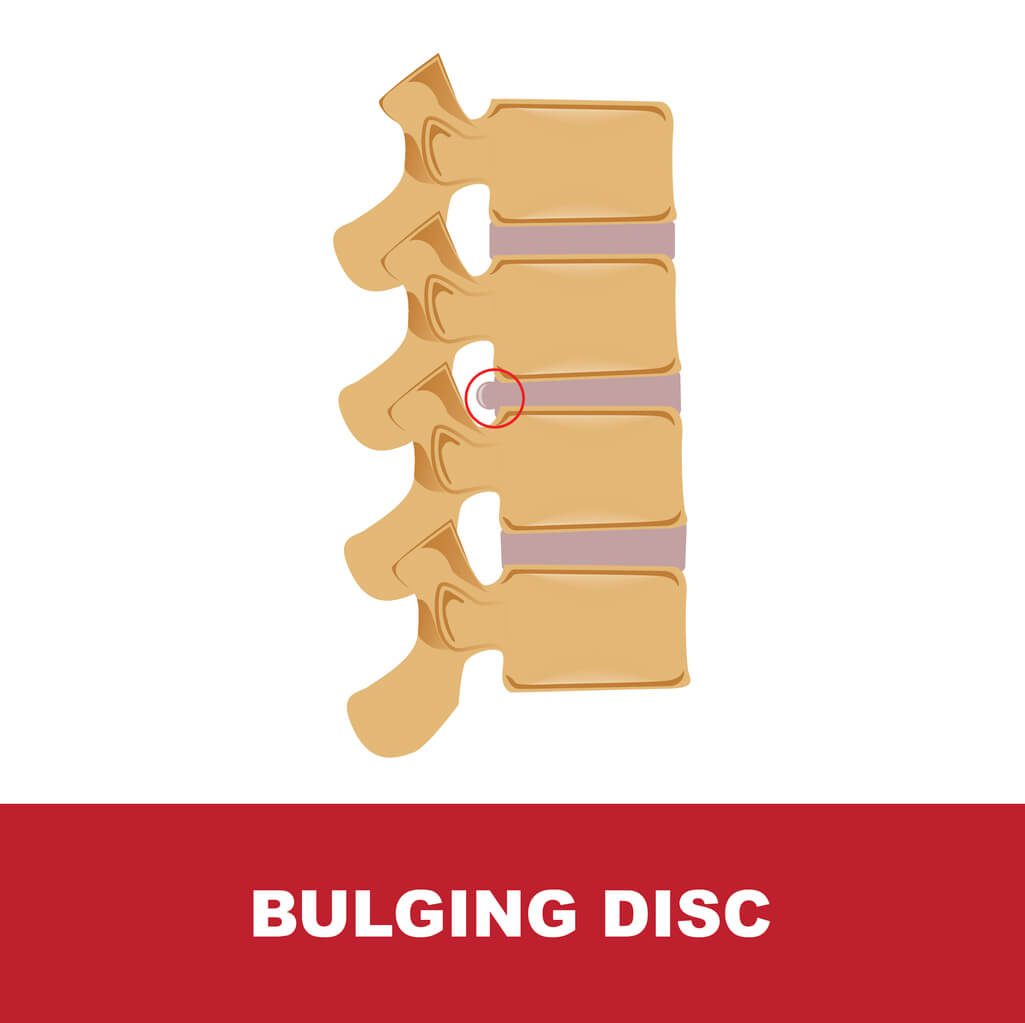
A bulging disc acts somewhat like a tire that has lost air and is bulging on the sides. It takes up more space in the spinal canal than it should. This displacement often irritates or compresses the nerve roots.
This compression is what triggers lower back pain and other symptoms like numbness or tingling. Age is the most common culprit because spinal discs lose water content and durability over time. However, improper lifting techniques or sudden injuries can also cause this condition.
Understanding the root cause helps doctors determine the best course of action. A precise diagnosis usually involves a physical exam and imaging tests like an MRI or CT scan.
What Are the Initial Non-Surgical Treatments?
Doctors almost always begin with conservative care. The goal is to reduce inflammation and relieve pressure on the nerve.
Rest and Activity Modification
Resting for a short period can help calm severe inflammation. However, bed rest should not exceed one or two days. Prolonged inactivity can actually weaken muscles and worsen lower back pain.
Physical Therapy
Physical therapy is a cornerstone of recovery. A therapist can guide you through exercises designed to strengthen the muscles supporting your spine. This added support relieves pressure on the disc.
Ice and Heat Therapy
Applying ice packs can reduce inflammation during the first 48 hours of pain onset. Afterward, heat therapy helps relax tight muscles and increases blood flow to the area.
What Medications Are Used for Management?
Medication does not cure a bulging disc, but it helps manage the pain so you can participate in physical therapy. Your doctor may suggest over-the-counter or prescription options.
Nonsteroidal Anti-Inflammatory Drugs (NSAIDs)
Drugs such as ibuprofen (Advil) or naproxen sodium (Aleve) are commonly recommended. They target both pain and inflammation.
Muscle Relaxers
If you experience muscle spasms alongside your lower back pain, your doctor might prescribe muscle relaxers. These medications can cause drowsiness, so they are often taken at night.
Oral Steroids
For severe inflammation, a short course of oral corticosteroids such as prednisone (Rayos) may be prescribed. These powerful anti-inflammatories work systemically to reduce swelling around the nerve.
Do Injections Provide Long-Term Relief?
If oral medications and physical therapy do not provide sufficient relief, your doctor might suggest an epidural steroid injection. This is a minimally invasive procedure.
A physician uses X-ray guidance to inject a corticosteroid directly into the space around the compressed nerve. This delivers potent anti-inflammatory medication right to the source of the pain.
Relief from injections can last anywhere from a few weeks to several months. This window of pain relief often allows patients to progress further in their physical therapy rehabilitation.
When Is Surgery Necessary?
Surgery is typically reserved for patients who have exhausted all other options. It may also be necessary if there is significant muscle weakness or loss of bladder control.
Microdiscectomy
This is a common procedure where the surgeon removes the portion of the disc pressing on the nerve. It is minimally invasive and has a high success rate for relieving leg pain.
Laminectomy
In this procedure, a surgeon removes part of the bone covering the spinal cord. This creates more space for the nerves and relieves compression.
Consulting with an experienced spine specialist is crucial to determine if surgery is right for you. They will evaluate your medical history and imaging results to find the right medical solution.
Frequently Asked Questions
Here are some commonly asked questions about bulging discs.
Does a Bulging Disc Ever Heal Completely?
Symptoms often resolve completely, but the disc structure may not return to its original shape. However, once the inflammation subsides and the nerve is no longer irritated, the pain usually disappears.
How Long Does Recovery Take?
Most patients see a significant reduction in lower back pain within four to six weeks of conservative treatment. Surgical recovery times vary but often allow for a return to light activity within a few weeks.
Can Exercise Prevent Future Disc Issues?
Yes. Maintaining a strong core, practicing good posture, and using proper lifting techniques are the best ways to protect your spine. Regular low-impact exercise keeps the spine flexible and healthy.
Seeking Relief for Lower Back Pain in Rochester Hills, MI
Living with chronic discomfort is not necessary. If you are suffering from persistent lower back pain or suspect a bulging disc, professional evaluation is essential. Early intervention often leads to better long-term outcomes and a faster return to daily activities.
Dr. Ahlgren prioritizes patient-centered care. We focus on accurate diagnosis and personalized treatment plans that range from conservative management to advanced surgical solutions.
Contact us today at (248) 215-8080 or use our online appointment request form today to schedule your consultation. Let us help you find the path to a pain-free life.
