
You should seek professional treatment for sciatic nerve pain when your symptoms do not improve after a few weeks of self-care or if they suddenly worsen. Prompt medical evaluation is also necessary if you experience severe weakness, loss of bowel control, or intolerable pain.
In short,
- Monitor your symptoms. You must track the severity and duration of your pain to know when medical intervention is necessary.
- Recognize red flags. Sudden numbness or loss of bladder control requires immediate emergency medical attention.
- Consult a specialist. An orthopaedic spine surgeon can accurately diagnose the root cause and provide effective solutions.
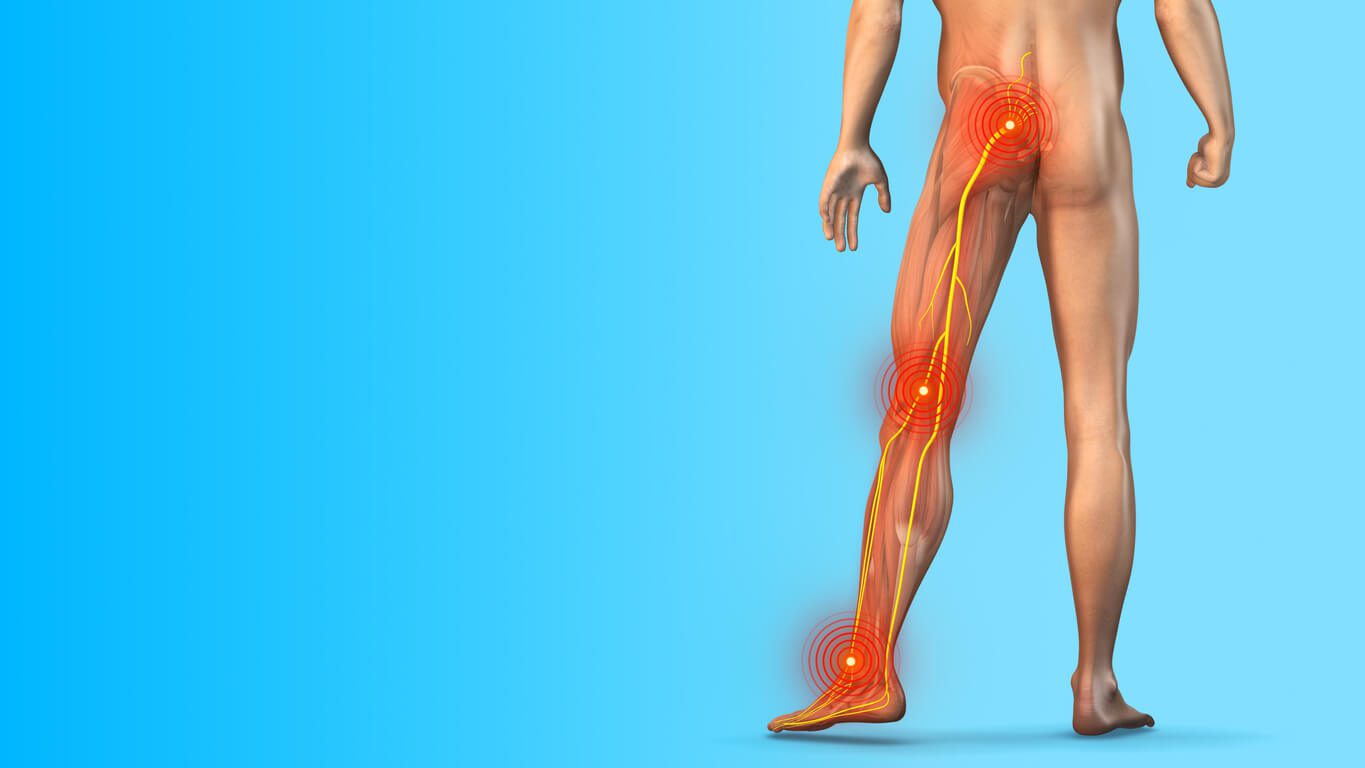
When you experience severe discomfort in your lower back that shoots down your leg, finding the right treatment for sciatic nerve pain becomes your primary focus. Sciatica is a common condition that affects the sciatic nerve, which is the longest and thickest nerve in the human body. This nerve runs from your lower back, through your hips and buttocks, and down each leg. Pain occurs when this nerve is compressed or irritated by surrounding tissues.
Many people attempt to manage this pain at home with rest and over-the-counter medications. However, these methods are not always sufficient for long-term relief. Understanding the signs that indicate a need for professional medical evaluation can help you avoid permanent nerve damage.
What Are the Common Symptoms of Sciatica?
It is important to understand the basic symptoms before you look into treatment for sciatic nerve pain. Sciatica typically affects only one side of the body at a time. The pain can vary widely, from a mild ache to a sharp, burning sensation or excruciating discomfort.
Sometimes it can feel like a jolt or electric shock. It can be worse when you cough, sneeze, or sit for long periods. You might also experience numbness, tingling, or muscle weakness in the affected leg or foot.
You might have pain in one part of your leg and numbness in another part. This variety of symptoms often makes it difficult for patients to know exactly what is wrong. If these common symptoms persist, you should consider scheduling a consultation with a spine specialist.
Why Does Sciatic Nerve Pain Occur?
Sciatica occurs when the sciatic nerve becomes pinched, usually by a herniated disk in your spine or by an overgrowth of bone on your vertebrae. More rarely, the nerve can be compressed by a tumor or damaged by a disease such as diabetes.
A herniated disk happens when the soft, jelly-like center of a spinal disk pushes through a tear in the tougher exterior.This condition puts direct mechanical pressure on the nerve roots. It also releases chemical irritants that cause inflammation around the nerve. Another common cause is spinal stenosis, which is the narrowing of the spinal canal in the lower back.
As we age, the wear and tear on our spine can lead to bone spurs that compress the nerves. Other factors that may increase your risk of developing this condition include:
- Obesity
- Occupational hazards
- Prolonged sitting
Identifying the exact cause is a crucial step in formulating an effective treatment for sciatic nerve pain.
How Can You Manage Mild Symptoms at Home?
Many cases of sciatica resolve on their own with appropriate self-care measures. Consider the following recommendations:
- Apply cold packs to the painful area for a few days to help reduce inflammation.
- Switch to hot packs after a few days to promote blood flow and relax tight muscles.
- Use over-the-counter pain relievers as directed to avoid side effects.
- Try gentle stretching exercises targeting the lower back and hamstrings.
- Avoid prolonged bed rest. Staying active and moving around typically speeds up recovery.
If these home remedies fail, seek professional treatment for sciatic nerve pain.
When Do You Need to See a Doctor?
You should schedule an appointment with a medical professional if your self-care measures fail to provide relief within four weeks. You also need to see a doctor if your pain becomes progressively worse instead of better. Do not ignore the pain and hope it will simply vanish.
A physician can perform a thorough physical examination to test your muscle strength and reflexes. They might ask you to walk on your toes or heels, rise from a squatting position, and lift your legs one at a time while lying on your back. Sciatica pain typically worsens during these activities.
To determine the exact cause of your pain, your doctor may order imaging tests. An X-ray can reveal bone spurs, while a CT scan or magnetic resonance imaging can produce detailed images of bone and soft tissues. These diagnostics are vital for planning the appropriate treatment for sciatic nerve pain.
What Are the Warning Signs of a Medical Emergency?
Certain symptoms indicate a severe medical emergency that requires immediate intervention. If you experience a sudden and severe ache in your lower back or leg accompanied by muscle weakness, you must go to an emergency room. Another red flag is pain that follows a violent injury, such as a traffic accident.
You must also seek immediate care if you have trouble controlling your bowels or bladder. This is a symptom of cauda equina syndrome, a rare but serious condition that affects the bundle of nerves at the end of the spinal cord. If left untreated, this syndrome can cause permanent paralysis and incontinence.
Do not wait for a regular doctor appointment if you develop these severe symptoms. Prompt surgical treatment is often required to relieve the pressure and preserve nerve function.
What Nonoperative Treatments Are Available?
If your symptoms are not an emergency but still cause significant discomfort, a doctor will usually start with conservative therapies. Physical therapy is a highly effective treatment for sciatic nerve pain. A physical therapist can design a rehabilitation program to help you prevent future injuries.
This program typically includes exercises to:
- Correct your posture
- Strengthen the muscles supporting your back
- Improve your flexibility
A study published in PubMed Central shows that structured physical therapy significantly reduces pain scores and improves mobility in patients with chronic lumbar radiculopathy. Your doctor might also prescribe medications.
Muscle relaxants can help with muscle spasms, while tricyclic antidepressants and anti-seizure medications are often prescribed for chronic nerve pain. Sometimes, an injection of a corticosteroid medication around the involved nerve root can provide temporary relief by suppressing inflammation. The effects of these injections usually wear off in a few months, and the number of steroid injections you can receive is limited.
When Is Surgery the Right Option?
Surgery becomes a consideration when the compressed nerve causes significant weakness, bowel or bladder incontinence, or when you have pain that progressively worsens or does not improve with other therapies.
Surgeons typically remove the portion of the herniated disk that is pressing on the pinched nerve. In cases involving spinal stenosis, they might remove the bone spur that is causing the compression. These surgical procedures are highly effective at relieving leg pain.
A study published in the New England Journal of Medicine indicates that patients who undergo early surgery for lumbar disc herniation experience faster relief of radicular pain compared to those who undergo prolonged conservative treatment. However, surgery does carry risks, such as infection or nerve damage.
You should discuss the potential benefits and risks extensively with a qualified orthopedic surgeon. They will help you decide if surgery is the best treatment for sciatic nerve pain based on your specific condition and medical history.
How Can You Prevent Sciatica from Returning?
Once you have found relief, it is essential to take steps to protect your back and prevent a recurrence. Exercising regularly is the most important thing you can do for your spinal health. Pay special attention to your core muscles, which are the muscles in your abdomen and lower back that are essential for proper posture and alignment.
Maintain proper posture when you sit. Choose a seat with good lower back support, armrests, and a swivel base. Consider placing a pillow or rolled towel in the small of your back to maintain its normal curve.
Use good body mechanics if you stand for long periods or lift heavy objects. Let your lower extremities do the work by bending at your knees instead of your back. Keep the load close to your body and avoid lifting and twisting simultaneously.
Treatment for Sciatic Nerve Pain in Rochester Hills, MI
Finding a compassionate and highly skilled specialist is critical when you are dealing with debilitating back pain. Ahlgren Spine provides access to the highest-quality surgical and nonoperative treatment for spinal conditions in the greater Southeast Michigan area. We understand how frustrating and limiting sciatic nerve pain can be.
Our board-certified Dr. Ahlgren takes a comprehensive approach to diagnose the exact cause of your discomfort. We will work with you to develop a personalized treatment plan that fits your lifestyle and medical needs. Whether you require guided physical therapy, medication management, or advanced orthopedic surgery, we are here to support your recovery.
Do not let sciatic nerve pain dictate your life any longer. Contact our office today at (248) 215-8080 or use our online appointment request form to schedule a consultation.
