
In short, finding the right path to pain relief does not always require an operating room.
- Conservative care prioritization. Most cases of sciatica resolve effectively using physical therapy, medication management, and rest.
- Targeted injection therapies. Epidural steroid injections deliver potent anti-inflammatory medication directly to the affected nerve root.
- Lifestyle modification impact. Weight management and smoking cessation are critical components that reduce pressure on the spine.
Understanding your options is the first step toward recovery. This guide explores the various non-surgical avenues available to manage and eliminate this discomfort.
What Is the Underlying Cause of Sciatica?
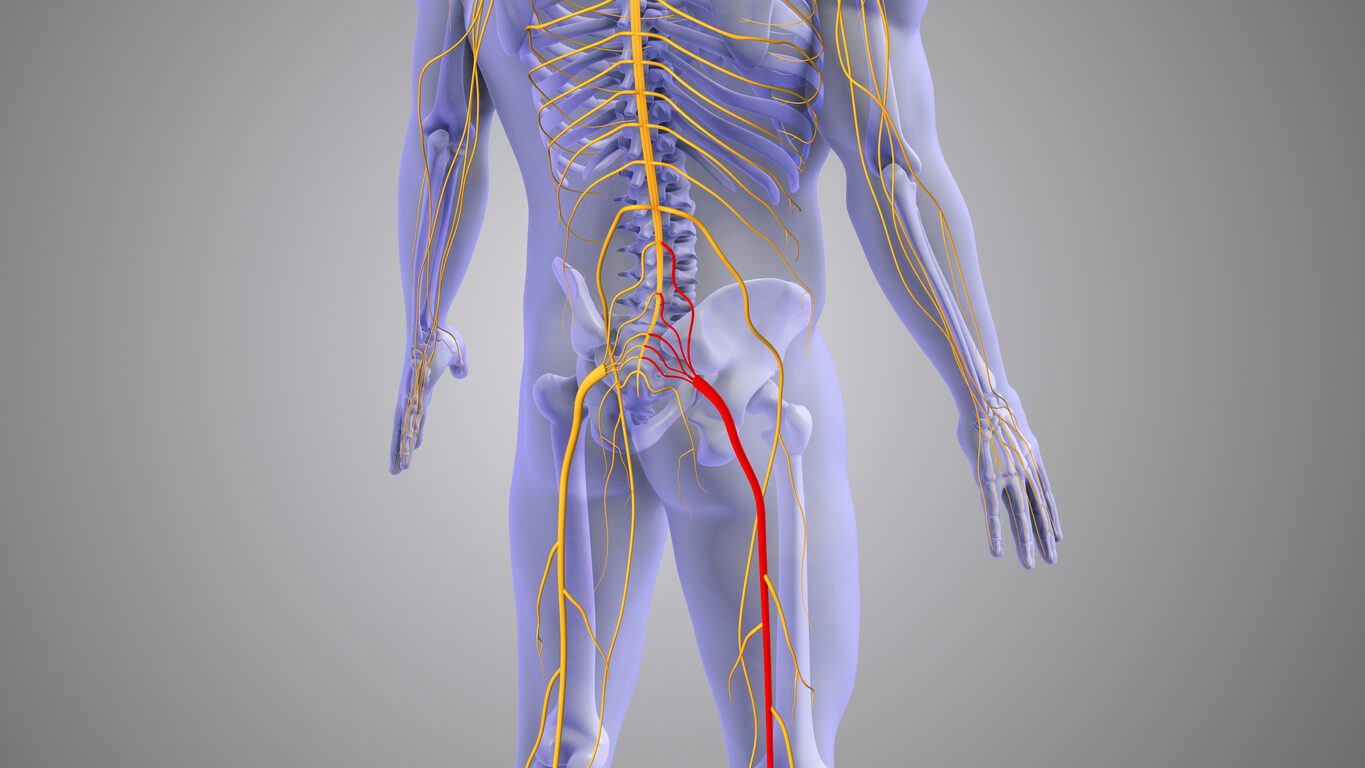
To understand the treatment for sciatic nerve pain, one must first understand the anatomy involved. The sciatic nerve is the largest nerve in the human body. It runs from the lower back through the hips and buttocks and down each leg.
Sciatica itself is a symptom of an underlying medical condition rather than a diagnosis on its own. It typically occurs when a herniated disc, a bone spur on the spine, or a narrowing of the spine compresses part of the nerve. This causes inflammation, pain, and often some numbness in the affected leg.
Identifying the root cause is essential for creating an effective treatment plan. A spine specialist will typically utilize a physical exam and imaging tests. These may include an X-ray or an MRI to pinpoint the compression.
Is Physical Therapy an Effective Treatment for Sciatic Nerve Pain?
Physical therapy is frequently the first line of defense against sciatic discomfort. A structured program can correct posture and strengthen the muscles supporting the back. This relieves pressure on the sciatic nerve roots.
A physical therapist will design an exercise routine tailored to the specific cause of the nerve compression. For example, exercises for spinal stenosis differ from those for a herniated disc. The goal is to improve flexibility and stability.
According to research, active physical therapy is highly effective. A notable study compared surgical intervention with conservative care, including physical therapy. The data showed that after one year, patients who opted for conservative care reported similar pain relief to those who underwent early surgery.
This highlights the importance of patience and consistency with therapy. Stretching exercises are particularly beneficial. They help loosen tight muscles that may be irritating the nerve.
Can Medications Help Manage the Symptoms?
Medication often plays a supportive role in treatment for sciatic nerve pain. Drugs do not cure the underlying structural issue. However, they manage inflammation and pain levels effectively enough to allow patients to participate in physical therapy.
Nonsteroidal anti-inflammatory drugs (NSAIDs) are commonly recommended. Options such as ibuprofen (Advil, Motrin IB) or naproxen sodium (Aleve) help reduce swelling around the nerve. Doctors may also prescribe muscle relaxants if muscle spasms are contributing to the pain.
In some cases, tricyclic antidepressants or anti-seizure medications are used. Drugs like gabapentin (Neurontin) can be helpful in managing chronic nerve pain. It is important to discuss all potential side effects with a healthcare provider.
Do Steroid Injections Provide Long-Term Relief?
When oral medications and physical therapy do not provide sufficient relief, doctors may suggest injections. Epidural steroid injections are a common treatment for sciatic nerve pain. This procedure involves injecting a corticosteroid medication near the nerve roots.
The steroid acts as a powerful anti-inflammatory agent. It covers the area around the irritated nerve to reduce swelling and pain. This can provide a window of relief that lasts for several months.
While injections are not a permanent cure, they allow the body time to heal. They also enable patients to perform rehabilitation exercises with less discomfort.
What Lifestyle Changes Assist Treatment for Sciatic Nerve Pain?
Medical interventions are most effective when paired with lifestyle modifications. How a patient moves, sits, and sleeps impacts their recovery speed. Making small adjustments can yield significant results.
- Weight management is a crucial factor. Excess body weight puts increased stress on the spinal structures. Losing even a small amount of weight can reduce the load on the lumbar spine and alleviate nerve compression.
- Smoking cessation is also vital for spinal health. Nicotine constricts blood vessels and reduces blood flow to the bones and discs. This can slow down healing and accelerate disc degeneration.
- Proper posture is another essential element. Sitting for long periods can aggravate sciatica. Using chairs with good lumbar support and taking frequent breaks to walk can help maintain a healthy spine.
Are Alternative Therapies Worth Trying?
Many patients find success by complementing traditional medicine with alternative therapies. These options can help manage pain levels without the side effects of medication. They focus on holistic healing and stress reduction.
- Acupuncture is one such option gaining popularity as a treatment for sciatic nerve pain. This traditional Chinese practice involves inserting thin needles into specific points on the body. It is believed to stimulate the nervous system and release natural painkillers.
- Chiropractic care is another common avenue. Spinal manipulation helps restore proper spinal alignment. This can improve function and decrease pain caused by nerve irritation.
- Massage therapy can also be beneficial. It helps relax tight muscles that may be pressing on the sciatic nerve. It also increases blood circulation to the area, which aids in the healing process.
How Does Cold and Heat Therapy Work?
One of the simplest home remedies involves the use of temperature. Alternating between heat and cold packs can provide immediate, albeit temporary, relief. This method is accessible and safe for most patients.
Cold therapy is typically used first to reduce inflammation. Applying an ice pack to the painful area for 20 minutes can numb the sharp pain. It is most effective when used immediately after physical activity.
Heat therapy encourages blood flow and healing. After the initial acute phase, applying a heating pad can relax tense muscles. It also increases the flexibility of connective tissues.
When Is the Right Time to See a Specialist?
Self-care measures are often sufficient for mild sciatica. However, knowing when to seek professional treatment for sciatic nerve pain is vital. Delaying care can sometimes lead to permanent nerve damage.
You should consult a spine specialist if the pain lasts longer than a week. Severe pain that is worse than a muscle cramp also warrants a visit. If you experience weakness in the leg or numbness, seek medical attention immediately.
Loss of bladder or bowel control requires emergency care. This may be a sign of cauda equina syndrome. This is a rare but serious condition requiring immediate intervention.
Is Surgery Ever Necessary?
While this guide focuses on non-surgical options, it is helpful to know when surgery is considered. Surgery is typically a last resort. It is reserved for patients who do not respond to conservative treatment for sciatic nerve pain after several weeks or months.
- Microdiscectomy is the most common surgical procedure for sciatica. It involves removing the portion of the herniated disc that is pressing on the nerve.
- Laminectomy is another option that creates space for the nerves by removing part of the vertebra.
Treatment for Sciatic Nerve Pain in Rochester Hills, MI
If you are struggling with persistent pain, the team at Ahlgren Spine is here to help. We are dedicated to providing compassionate, comprehensive care tailored to your needs. We specialize in conservative and minimally invasive treatments.
Contact us today at (248) 215-8080 to schedule your appointment and start your journey toward a pain-free life.
