
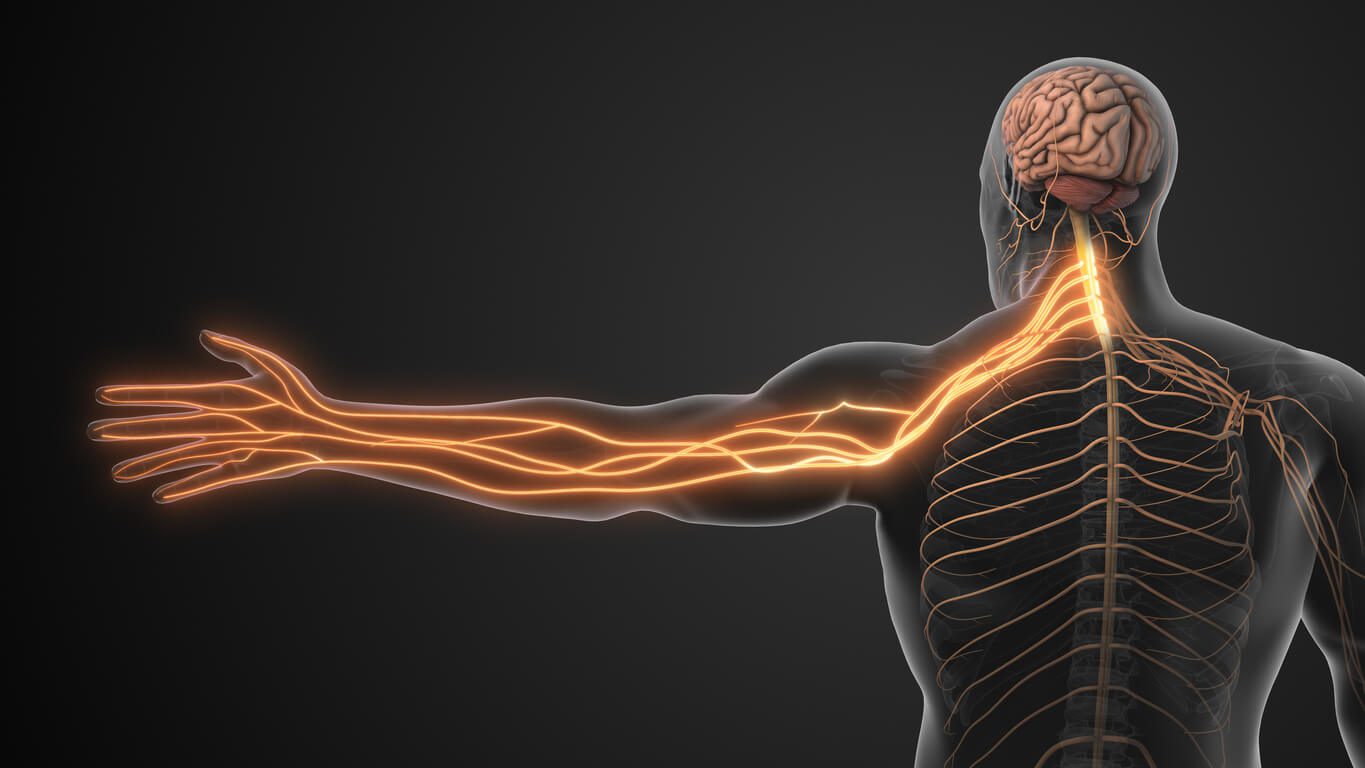
Surgery is not always necessary for neck bone spurs causing cervical radiculopathy. Most patients find relief through conservative treatments like physical therapy, medications, and steroid injections.
However, if symptoms worsen or do not improve after several weeks, a medical professional may recommend surgery to prevent permanent nerve damage.
In short,
- Conservative Treatments Usually Work. Most individuals experience significant symptom relief without undergoing any surgical procedures.
- Surgery Is Sometimes Necessary. Severe or worsening nerve compression may require surgical intervention to prevent permanent nerve damage.
- Consult a Spine Specialist. An accurate medical diagnosis is essential to determine the most effective treatment plan.
Receiving a diagnosis of cervical radiculopathy can be an overwhelming experience for many patients. The prospect of nerve pain originating from your spine often brings up immediate fears about complex operations and long recovery times. However, you do not need to panic. The medical community has developed numerous effective pathways to manage this condition.
What Is Cervical Radiculopathy and How Do Bone Spurs Cause It?
Cervical radiculopathy occurs when a nerve root in the cervical spine becomes compressed or inflamed. This condition often results from natural wear and tear as the human body ages. As spinal discs degenerate over time, the body attempts to stabilize the spine by creating extra bone.
These small bony growths are known as bone spurs, or osteophytes. While they are a normal part of aging, they can narrow the space where nerve roots exit the spinal canal. When bone spurs press against these sensitive nerves, they cause the painful symptoms associated with cervical radiculopathy.
Understanding the Anatomy of Your Cervical Spine
Your neck, or cervical spine, consists of seven small vertebrae stacked on top of one another. Between these vertebrae are flexible discs that act as shock absorbers for your head. Nerves branch out from the spinal cord through small openings called foramina to provide sensation and motor function to your arms.
When bone spurs form near these foramina, the available space for the nerve roots decreases significantly. This mechanical compression triggers an inflammatory response in the surrounding tissues. The combination of physical pressure and inflammation is what ultimately leads to the symptoms of cervical radiculopathy.
What Are the Common Symptoms of Cervical Radiculopathy?
Patients with cervical radiculopathy experience a variety of uncomfortable and sometimes debilitating symptoms. The pain typically radiates from the neck down into the shoulder, arm, hand, or fingers. This radiating pain is a hallmark sign of nerve compression in the cervical spine.
In addition to pain, individuals frequently report numbness or a tingling sensation in their upper extremities. Some patients describe this feeling as pins and needles, similar to when an arm falls asleep. Muscle weakness in the affected arm or hand is another common symptom that can interfere with daily activities.
Certain movements, such as extending the neck backward or turning the head, may exacerbate the pain. Patients might also find that holding their arm up over their head temporarily relieves the discomfort. If you experience progressive muscle weakness or a sudden loss of sensation, you should seek immediate medical evaluation.
Do You Always Need Surgery for Bone Spurs in the Neck?
You do not always need surgery for bone spurs in the neck. In fact, conservative management is the standard first-line approach for treating cervical radiculopathy. Medical professionals agree that the body often has a remarkable ability to heal and adapt without surgical intervention.
Many patients experience a complete resolution of their symptoms within a few weeks or months of starting non-surgical treatments. The initial goal is to reduce the inflammation around the nerve root, which effectively relieves the pain. Surgery is generally reserved for individuals who do not respond to these conservative methods.
It is important to remember that the presence of bone spurs on an X-ray does not automatically indicate the need for surgery. Many people have bone spurs in their neck and never experience any painful symptoms.
The decision to proceed with surgery is based entirely on the severity of your symptoms, the presence of neurological deficits, and your response to conservative care.
What Non-Surgical Treatments Are Available for Cervical Radiculopathy?
When you first seek medical care for cervical radiculopathy, your physician will likely recommend a combination of conservative treatments. These methods are designed to alleviate pain, reduce inflammation, and improve the physical function of your neck. Most patients find that a multifaceted approach provides the best possible outcome.
Your treatment plan may evolve based on how well your symptoms respond to various therapies. It is crucial to maintain an open dialogue with your healthcare provider and to report any changes in your condition so they can adjust your care accordingly.
The following options represent the most common non-surgical interventions.
Physical Therapy and Targeted Exercise
Physical therapy is a cornerstone of conservative treatment for cervical radiculopathy. A trained physical therapist can teach you specific exercises to stretch and strengthen the muscles supporting your neck. These targeted movements help to improve your posture, increase your flexibility, and relieve pressure on the compressed nerve roots.
In addition to exercise, therapists may use manual techniques such as cervical traction. Cervical traction involves carefully stretching the neck to widen the foramina and reduce nerve compression. Many patients find that consistent physical therapy sessions significantly decrease their reliance on pain medications.
Medications to Reduce Pain and Inflammation
Pharmacological management is often necessary to control the intense pain associated with cervical radiculopathy. Over-the-counter nonsteroidal anti-inflammatory drugs, such as ibuprofen (Advil) or naproxen (Aleve), are typically the first step. These medications help to reduce the inflammation around the affected nerve root.
If over-the-counter options are insufficient, your doctor may prescribe oral corticosteroids for a short period. Muscle relaxants might also be utilized to alleviate painful muscle spasms in the neck and shoulders.
Furthermore, medications specifically designed to treat nerve pain, such as gabapentin (Neurontin), can be highly effective for some patients.
Epidural Steroid Injections for the Cervical Spine
When oral medications fail to provide adequate relief, a physician may recommend a cervical epidural steroid injection. This procedure involves injecting a powerful corticosteroid directly into the epidural space surrounding the compressed nerve. The goal is to deliver concentrated anti-inflammatory medication precisely where it is needed most.
While an injection does not remove the bone spurs, it can dramatically reduce nerve inflammation and swelling. The pain relief from a steroid injection can last for several weeks or even months. This window of pain relief often allows patients to participate more fully in physical therapy and other rehabilitative exercises.
When Is Surgery for Bone Spurs in the Neck Recommended?
Surgery is typically considered when non-surgical methods have failed to provide relief after six to twelve weeks. Chronic, unrelenting pain that severely impacts your quality of life is a strong indicator that surgical intervention may be necessary.
Medical professionals will also recommend surgery if you develop progressive neurological deficits. This includes worsening muscle weakness in your arm, severe numbness, or a loss of fine motor skills in your hands. In these cases, surgery is performed to prevent irreversible nerve damage.
Finally, surgery is required if the bone spurs are compressing the spinal cord itself, a condition known as cervical myelopathy. Symptoms of spinal cord compression, such as difficulty walking or a loss of bowel and bladder control, represent a medical emergency. Immediate surgical decompression is crucial to prevent permanent paralysis.
Common Surgical Options for Nerve Compression
The following are the most common surgical options for nerve compression.
Anterior Cervical Discectomy and Fusion (ACDF)
The most common surgical procedure for treating cervical radiculopathy is an anterior cervical discectomy and fusion. During this operation, the surgeon removes the damaged disc and the offending bone spurs to relieve pressure on the nerve root.
The adjacent vertebrae are then fused together using a bone graft and metal hardware to stabilize the spine.
Cervical Artificial Disc Replacement (ADR)
Another option is a cervical artificial disc replacement. In this procedure, the surgeon removes the damaged disc and bone spurs, but instead of fusing the vertebrae, they insert an artificial disc device.
This approach aims to preserve the natural motion of the neck and may reduce the risk of future problems at adjacent spinal levels.
Posterior Cervical Foraminotomy
For some patients, a posterior cervical foraminotomy may be the most appropriate choice. The surgeon accesses the spine from the back of the neck and removes a small piece of bone to widen the neural foramen. This procedure directly decompresses the nerve root without requiring a spinal fusion.
Frequently Asked Questions (FAQ)
Providing clear, medically accurate answers is essential for empowering individuals to make the best health decisions. Here are some of the most frequently asked questions regarding cervical radiculopathy.
Can bone spurs in the neck go away on their own?
Bone spurs are solid bony growths, and they do not dissolve or go away on their own. However, the inflammation and pain they cause can completely resolve with appropriate conservative treatment. You can live a pain-free life even with bone spurs present on an X-ray.
How long does it take to recover from cervical radiculopathy without surgery?
Recovery timelines vary significantly from person to person. Many patients experience substantial relief within four to six weeks of starting physical therapy and anti-inflammatory medications. For others, it may take several months of consistent conservative management to fully resolve the symptoms.
Are chiropractic adjustments safe for cervical radiculopathy?
Chiropractic care can be a helpful component of conservative treatment, but it must be approached with caution. High-velocity neck adjustments are generally discouraged when nerve compression or bone spurs are present. You should always consult with your spine specialist before beginning any chiropractic treatments.
What are the risks of waiting too long to have surgery?
The primary risk of delaying necessary surgery is the potential for permanent nerve damage. If a nerve remains severely compressed for an extended period, it may lose its ability to function, leading to chronic weakness or numbness.
Your doctor will monitor your neurological status closely to ensure surgery is performed before irreversible damage occurs.
Seeking Treatment for Cervical Radiculopathy in Rochester Hills, Michigan
Living with the painful symptoms of cervical radiculopathy can make every day feel like an insurmountable challenge. You do not have to accept chronic pain or progressive weakness as a permanent part of your life. Expert medical care is available to help you navigate your condition, explore conservative therapies, and evaluate surgical options if they become necessary.
If you are struggling with neck pain, arm weakness, or numbness, seeking an accurate diagnosis is the critical first step. The highly trained medical professionals at Ahlgren Spine Orthopedic Surgery understand the complexities of spinal health and are dedicated to providing compassionate, evidence-based care. Whether your treatment plan involves physical therapy, targeted injections, or advanced surgical procedures, our team will guide you through every phase of your recovery.
Do not let cervical radiculopathy control your future or diminish your quality of life. Contact us today at (248) 215-8080 or use our online appointment request form to schedule a comprehensive evaluation, and take the first step toward restoring your health, your mobility, and your peace of mind.
