
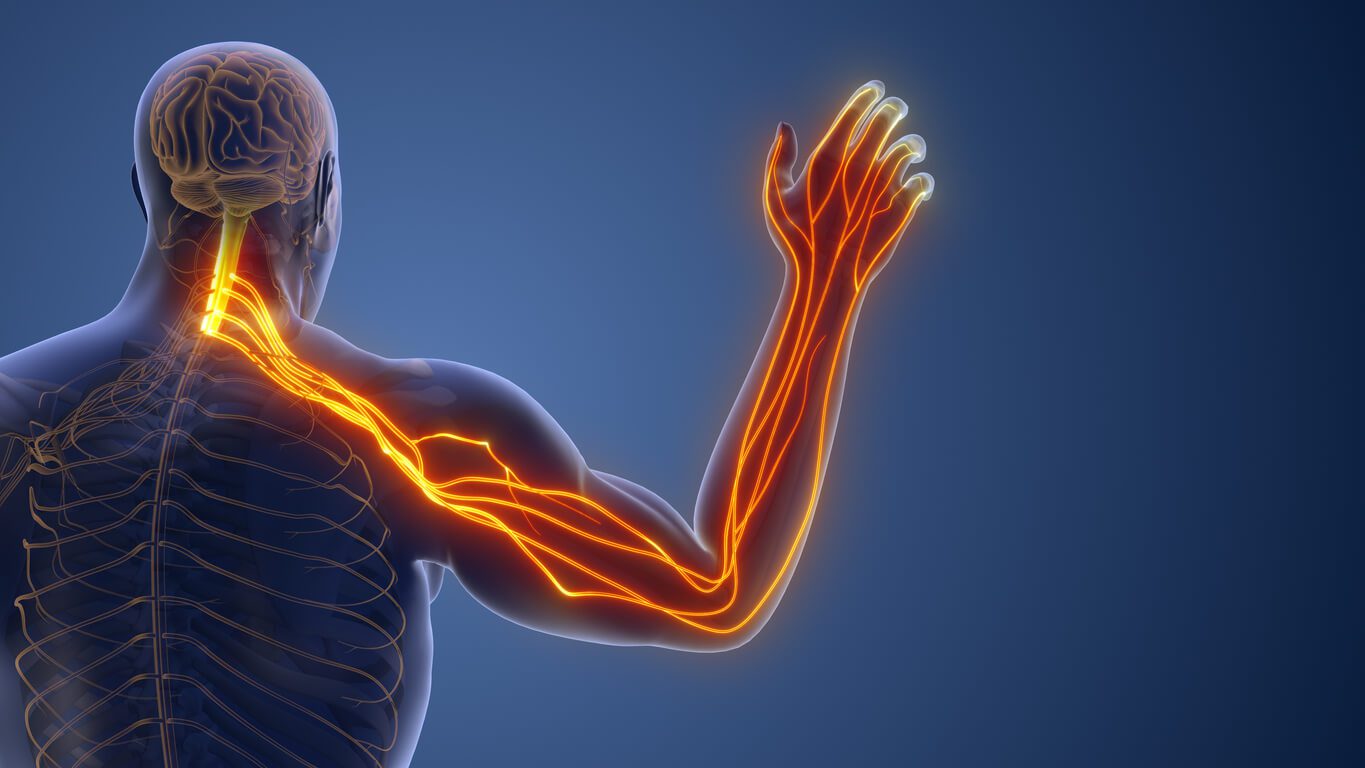
An epidural steroid injection in the cervical spine can significantly reduce cervical radiculopathy pain. This minimally invasive procedure delivers powerful anti-inflammatory medication directly to the affected nerve root.
In short,
- The targeted delivery of corticosteroids directly addresses the swelling around the compressed spinal nerves.
- Many individuals experience enough pain relief to postpone or completely avoid invasive operative treatments.
- A decrease in radiating arm pain allows patients to regain their mobility and return to normal activities.
Cervical radiculopathy occurs when a nerve root in the neck becomes compressed or inflamed, causing pain to radiate down the arm. Patients often experience debilitating numbness, weakness, and sharp discomfort that disrupts everyday activities.
Fortunately, advanced medical treatments offer significant hope for individuals suffering from this challenging condition.
What Is Cervical Radiculopathy and How Does It Affect the Body?
Understanding the underlying mechanics of spinal health is the first step toward finding lasting relief. The cervical spine consists of seven vertebrae separated by shock-absorbing discs. Nerves branch out from the spinal cord through small openings called foramina to supply sensation and motor function to the shoulders, arms, and hands.
When a disc herniates or bone spurs form due to arthritis, these small openings become narrow. This structural narrowing pinches the delicate nerve roots, leading to the condition known as cervical radiculopathy. The compression triggers a severe inflammatory response that causes the nerves to misfire and transmit intense pain signals to the brain.
Patients with this condition frequently struggle to perform basic tasks because the pain travels along the exact path of the affected nerve. Simple movements like turning the head or lifting an object can become agonizing. Medical professionals focus on reducing this localized inflammation to restore normal nerve function and alleviate the associated radiating pain.
What Are the Common Symptoms of a Pinched Nerve in the Neck?
Recognizing the clinical signs of a compressed nerve is crucial for securing a timely and accurate medical diagnosis. The symptoms often depend on which specific nerve root in the cervical spine is affected.
- Patients generally report a sharp, burning, or electrical pain that starts in the neck and shoots down the shoulder into the arm or hand.
- Alongside the radiating pain, many individuals experience altered sensations in their upper extremities. This can manifest as a persistent tingling or a deep numbness in the fingers.
- Muscle weakness is another common symptom, making it difficult to grip objects securely or lift items that were previously easy to carry.
These symptoms can worsen with specific neck movements or when a patient holds their head in one position for an extended period. Some people find temporary relief by placing their hands on top of their head, which momentarily relieves tension on the pinched nerve.
However, when conservative treatments like rest and oral medications fail, physicians often recommend an epidural steroid injection in the cervical spine.
How Does an Epidural Steroid Injection in the Cervical Spine Relieve Discomfort?
An epidural steroid injection targets the precise location of nerve irritation to provide profound relief from severe discomfort. The procedure involves carefully injecting a potent corticosteroid directly into the epidural space surrounding the spinal cord. This space contains fat and small blood vessels that surround the nerve roots.
The injected medication works by inhibiting the production of inflammatory proteins that the body releases in response to the nerve compression. According to data from the Cleveland Clinic, about 40% to 84% of people who receive cervical epidural steroid injections experience significant temporary pain relief. By drastically reducing the inflammation, the steroids calm the irritated nerve fibers and decrease the abnormal pain signals.
In addition to the corticosteroid, the injection usually contains a local anesthetic. The anesthetic provides immediate, albeit temporary, numbing relief, while the steroid medication takes several days to reach its peak effectiveness.
This combination approach helps patients manage their pain while their body begins the longer healing process.
What Does the Latest Research Say About Cervical Radiculopathy Treatments?
Medical researchers continuously evaluate the efficacy of interventional pain management techniques to ensure patients receive the highest standard of care. Recent clinical trials have demonstrated that targeted injections are highly effective for managing severe radicular pain. These scientific investigations provide physicians with evidence-based protocols to optimize patient outcomes.
A study published in the National Institutes of Health evaluated the long-term effectiveness of cervical transforaminal epidural steroid injections for treating patients with radiating neck pain. Researchers observed statistically significant and clinically meaningful improvements in both pain and disability scores among the participants. The findings confirmed that these injections maintain their therapeutic benefits for up to 12 months, making them a highly viable non-surgical treatment option.
Furthermore, post-injection rehabilitation plays a massive role in long-term recovery. A study published in the European Journal of Pain investigated whether stabilization exercises are effective after an epidural steroid injection in patients with cervical radiculopathy.
The clinical trial concluded that combining the injection with targeted physical therapy significantly enhanced muscle strength and sustained the pain relief over a longer duration.
Who Is an Ideal Candidate for This Minimally Invasive Procedure?
Physicians carefully screen patients to determine the most appropriate and effective interventions for their specific spinal conditions.
An epidural steroid injection in the cervical spine is typically reserved for individuals who have not responded adequately to conservative therapies. These initial treatments usually include nonsteroidal anti-inflammatory drugs, activity modification, and structured physical therapy.
A good candidate is someone who experiences severe, radiating arm pain that significantly interferes with their quality of life. Patients who have confirmed nerve compression on an imaging study, such as an MRI or a CT scan, are also prime candidates. The visual confirmation ensures that the physician can accurately target the specific level of the cervical spine causing the issue.
However, certain medical conditions may disqualify a patient from safely receiving this type of injection. Individuals with active systemic infections, severe bleeding disorders, or poorly controlled diabetes may face elevated risks during the procedure. A spine specialist will conduct a thorough medical history review to ensure the treatment is both safe and appropriate for the individual.
How Should Patients Prepare for an Epidural Steroid Injection?
Proper preparation is essential to ensure the safety and success of any medical procedure involving the spine. Patients will receive detailed instructions from their healthcare provider several days before the scheduled injection. It is critical to communicate openly about all current medications, especially over-the-counter supplements and blood thinners.
Physicians typically require patients to pause taking blood-thinning medications for a specific number of days prior to the appointment. This precaution minimizes the risk of bleeding complications around the delicate spinal structures. Patients might also be asked to fast for a few hours before the procedure, particularly if they will receive light intravenous sedation to help them relax.
Arranging for safe transportation is another important step for this treatment. Because the procedure involves local anesthetics and potential sedation, patients are not permitted to drive themselves home afterward. Having a trusted friend or family member available to assist with transportation ensures a smooth and safe transition back home.
What Happens During the Cervical Epidural Steroid Injection Procedure?
The medical team prioritizes patient comfort and procedural precision throughout the entirety of the injection process. The procedure takes place in a specialized outpatient suite equipped with advanced fluoroscopic imaging technology. Patients lie face down on a padded treatment table to provide the physician with optimal access to the back of the neck.
The physician thoroughly cleans the injection site and applies a local anesthetic to numb the area. Using live X-ray guidance, the doctor carefully advances a thin needle toward the epidural space near the affected nerve root. The fluoroscopy ensures the needle is positioned with absolute millimeter precision, maximizing both safety and therapeutic effectiveness.
Once the needle is correctly placed, the physician injects a small amount of contrast dye to confirm that medication will flow exactly where it is needed. Finally, the mixture of corticosteroid and anesthetic is slowly injected into the epidural space.
The entire procedure usually takes less than 30 minutes to complete, after which the patient is moved to a recovery area for brief observation.
What Can Patients Expect During the Recovery Period?
Understanding the recovery timeline helps patients manage their expectations and plan their postoperative activities accordingly. Immediately after the procedure, patients might notice their arm feels slightly heavy or numb due to the local anesthetic. This temporary sensation is completely normal and typically resolves within a few hours as the numbing medication wears off.
Patients should plan to rest for the remainder of the day and avoid any strenuous physical activities. Applying a cold pack to the injection site for short intervals can help reduce any mild soreness at the needle puncture location. Some individuals experience a slight increase in their baseline pain for a day or two before the corticosteroid begins to take full effect.
The profound anti-inflammatory benefits of the steroid usually become noticeable within three to seven days following the procedure. Once the pain has significantly decreased, physicians strongly encourage patients to resume their physical therapy exercises. Strengthening supportive neck muscles is essential for maintaining proper spinal alignment and preventing future flare-ups of cervical radiculopathy.
Frequently Asked Questions About Cervical Epidural Steroid Injections
Patients often have questions when considering a spinal injection for chronic pain. Clear, medically accurate information helps them make confident, informed decisions about their care.
How long does the pain relief last after the procedure?
The duration of pain relief varies widely among different patients based on the severity of their underlying spinal condition. Some individuals experience complete resolution of their symptoms for several months, while others may require a repeat injection after a few weeks.
If the initial injection provides significant but short-lived relief, a physician may authorize up to three injections within 12 months to maximize the therapeutic benefits.
Are there significant risks associated with cervical epidural injections?
While generally considered safe, all minimally invasive medical procedures carry a slight degree of inherent risk. Potential complications are rare but can include localized bleeding, infection at the injection site, or a temporary spike in blood sugar levels.
Choosing a highly experienced spine specialist who uses live X-ray guidance dramatically reduces the likelihood of these adverse events.
Will physical therapy be necessary after the injection?
Yes, physical therapy is strongly recommended as a complementary treatment following an epidural steroid injection. The injection reduces the intense pain, which creates a window of opportunity for the patient to comfortably perform rehabilitative exercises.
Physical therapy improves neck mobility, strengthens the stabilizing muscles, and corrects poor posture, all of which are vital for long-term spinal health.
Cervical Radiculopathy Treatment in Rochester Hills, Bad Axe, and Royal Oak, MI
If you are suffering from radiating neck and arm pain, obtaining an accurate diagnosis from an expert is the first crucial step toward recovery. Bradley Ahlgren, MD, and the dedicated team at Ahlgren Spine Orthopaedic Surgery provide high-quality treatment for spinal conditions. We focus on identifying the root cause of your pain to develop a highly personalized treatment plan tailored to your specific needs.
Do not let chronic nerve pain dictate how you live your life. Contact our friendly staff today at (248) 215-8080 or use our appointment form to schedule a consultation at our Rochester Hills, Bad Axe, or Royal Oak locations.
